Ensuring Strong and Durable Structures With Proper Maintenance
The concept of structural integrity is vital when dealing with concrete fixes. Concrete, being a crucial material in construction, supports weight and withstands environmental elements. Ensuring that the repairs made to this essential building block maintain its strength and stability is key to safety and longevity. By understanding how structural integrity plays into concrete fixes, you can ensure that your buildings, roads, and bridges remain safe and durable. This article will delve into why structural integrity matters, common challenges faced in maintaining it, and best practices for achieving long-lasting results.
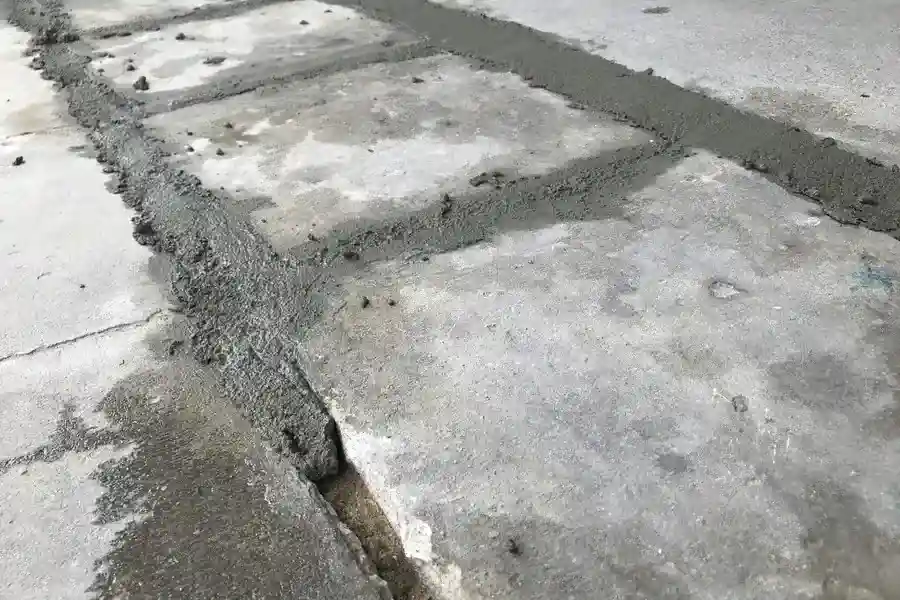
Why Structural Integrity Matters
Structural integrity refers to the ability of a structure to hold up under load without failing or deteriorating. In the context of concrete structures, maintaining this integrity ensures that the constructed elements perform their intended function effectively over time. Without proper attention to structural integrity, buildings and infrastructure are prone to damage, leading to costly repairs or even dangerous collapse.
Common Challenges in Preserving Integrity
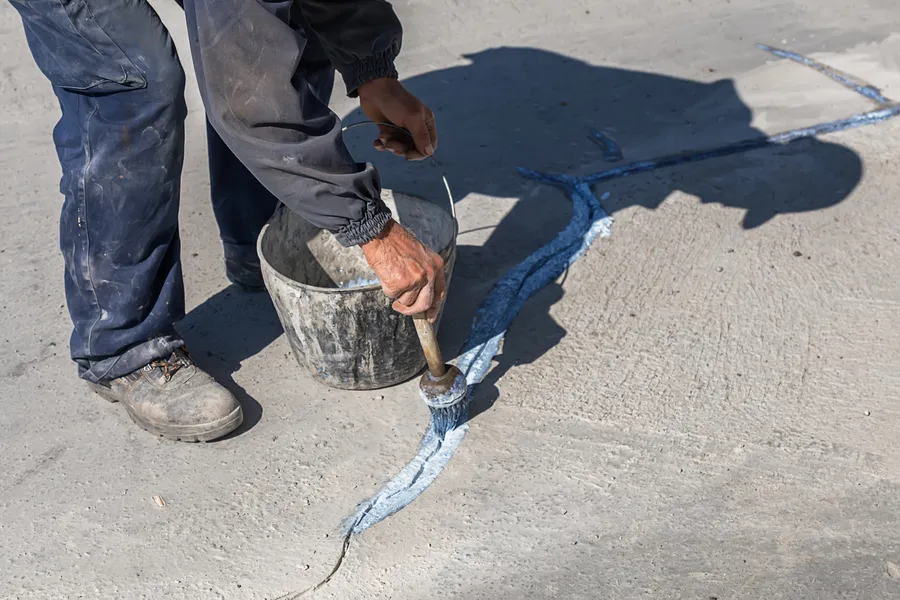
Concrete repair poses several challenges that can affect structural integrity. These include exposure to harsh weather conditions, poor quality materials, and inadequate maintenance. The role of concrete repair is crucial here as it involves fixing cracks, filling voids, and addressing other issues that could compromise the stability of the structure. To avoid these pitfalls, it’s imperative to use quality materials and follow appropriate methods during the repair process.
Role of Preventive Measures
Preventive measures play an essential role in preserving structural integrity. Regular inspections and maintenance can identify potential issues before they become significant problems. Addressing minor cracks or wear early on prevents them from developing into severe defects that require extensive repairs. Additionally, choosing high-quality materials ensures that any repairs contribute positively to the structure’s overall strength.
Effective Methods for Repair
Concrete repair requires effective techniques to ensure that the restored section remains strong and stable. Here are some steps often involved:
- Assess the extent of damage
- Select appropriate repair materials
- Remove any loose or damaged concrete
- Apply the chosen repair solution correctly
- Cure the repaired area properly
Adhering to Industry Standards
Compliance with industry standards is non-negotiable when it comes to maintaining structural integrity. Standards provide guidelines for material selection, repair procedures, and inspection routines. Adhering to these standards ensures that the repairs not only fix the existing problems but also prevent future issues.
Best Practices for Long-Term Success
Implementing best practices is crucial for ensuring successful outcomes in maintaining structural integrity. Some best practices include hiring experienced professionals, conducting regular training sessions for maintenance teams, using advanced diagnostic tools for inspection, and keeping detailed records of all maintenance activities. These practices help in making informed decisions about necessary interventions and evaluating the effectiveness of past repairs.
Financial Considerations in Maintaining Integrity
While investing in quality materials and methods may seem costly upfront, they offer long-term savings by reducing the frequency of repairs and extending the life of structures. Understanding how initial costs compare to potential savings in future maintenance expenses helps in making financially sound decisions regarding structural upkeep.
Your Trusted Partner in Structural Integrity Solutions
At Diamond Custom Concrete and Construction, we specialize in providing comprehensive solutions that enhance the structural integrity of your concrete projects. Our team based in Livermore, IA combines expertise with cutting-edge technology to deliver outstanding results. Contact us at (515) 368-0502 for further inquiries and let us help you maintain robust structures that stand the test of time.